
If you’ve got a draughty front door, it can make your home feel cold and uninviting, especially during autumn and winter months. Cold air from outside can make its way in around the frame, through the letterbox or even underneath the door, leaving your hallway chilly and making it harder to keep your home comfortable, even with your heating on.
The good news is that learning how to insulate a front door can help keep your home safe, secure and toasty warm. In many cases, a few simple improvements, such as fitting new weatherstripping, sealing gaps and addressing draughty glass panels, can help keep the cold out and retain more heat inside your home.
Whether you have a traditional wooden front door or a modern door in uPVC for example, this expert guide from Doordeals will show you how to improve its thermal performance and make your home more comfortable.
How to insulate a front door
Before anything else, as soon as you’ve noticed a draught, it’s a good idea to check where the cold air is coming from. On a particularly windy or cold day, feel around the edges of the closed door, so you can feel any air around the frame, letterbox and threshold. You can also look for visible gaps or damaged seals.
Once you've identified the problem areas, you can use the following steps to fix them.
1. Seal any gaps around the door frame
Even the smallest of gaps around the door frame can lead to draughts getting into your home. They can allow cold air to enter, particularly when the wind picks up.
We recommend closing the door and checking the entire perimeter. Look around the top, sides and bottom, and if you can see daylight around the edges, or the door noticeably moves within its frame, it’s likely that the seals need to be fixed.
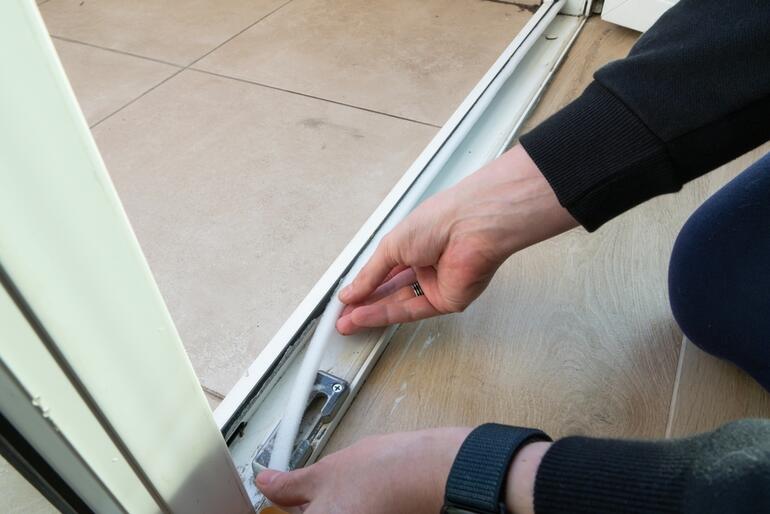
Gaps around the door
For gaps around the door itself, weatherstripping or replacement seals are what you need. These create a tighter barrier when the door is closed, helping to prevent draughts and reduce heat loss.
It could be that you have existing weatherstripping but it’s become flattened or damaged over time – if so, it’s time to replace!
Gaps between the frame and wall
If there are gaps between the frame and the wall, these are more likely to need to be sealed with a sealant. If you notice that the door is warped or is difficult to close, it may need readjusting for the new seals to work properly.
Remember ventilation holes and drainage openings should not be sealed.
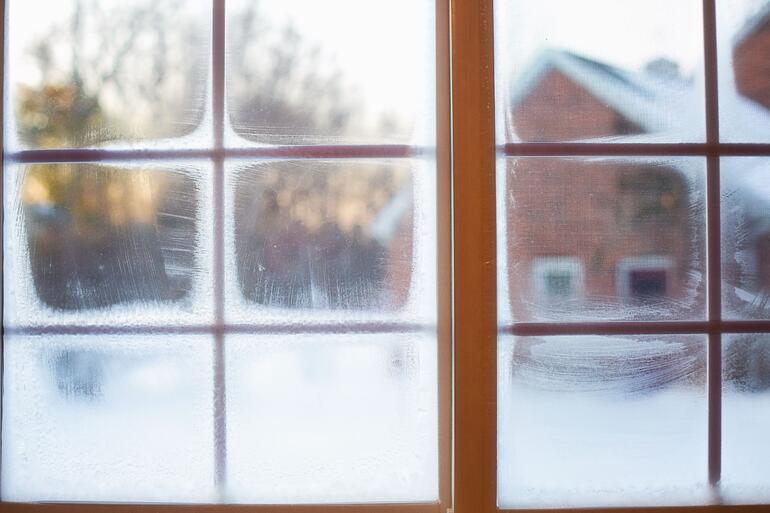
2. Insulate or improve glazed panels
If your front door contains any glass detail such as glass panels, they could be contributing to heat loss – particularly if you only have single glazed glass.
If you suspect this to be the case, check the condition of the glass and the seals around it. If you can feel air when you put your hand to the glass, the problem may be a deteriorated seal, rather than the glass itself.
Depending on the type of glazing your door has, you have options:
- Insulating window film: A suitable secondary-glazing film creates an additional layer, helping to reduce heat transfer. Follow the instructions on the packaging of your product and check that the film you’ve got is appropriate for your glazing.
- Improving the seals: Damaged seals around the glass may need to be replaced.
- Upgrading the glass: If the glass is maybe extremely old or inefficient for the job, replacing it may be a suitable option. If the door has decorative, safety or specialist glazing, check the manufacturer's guidance before making changes. A professional can inspect your panelling and give you advice if you’re unsure yourself.

3. Draught-proof the letterbox and keyhole
Letterboxes and keyholes may be small in comparison to your front door, but they are entry points for cold air, especially on windy days and and if there’s no draught protection in place.
Consider fitting a letterbox brush, internal flap or a draught-proofing cover that's compatible with your existing letterbox. For keyholes, keyhole covers can be a very cost effective way to help reduce unwanted air entering your home, but won’t impact the use of the keyhole at all.
Doordeals top tip: before fitting any additional product, make sure it won't obstruct the letterbox, interfere with the lock or prevent the door from being used safely.
4. Fit a draught excluder or door brush
Similarly to if cold air is coming in through your letterbox or lock, if you can feel cold air coming in underneath your front door, a door brush or suitable draught excluder can help block the gap.
You have several options when it comes to blocking the draught underneath a door:
- Brush strips: Brush strips can be fitted to the bottom of some doors to reduce the airflow, and keep warm air in.
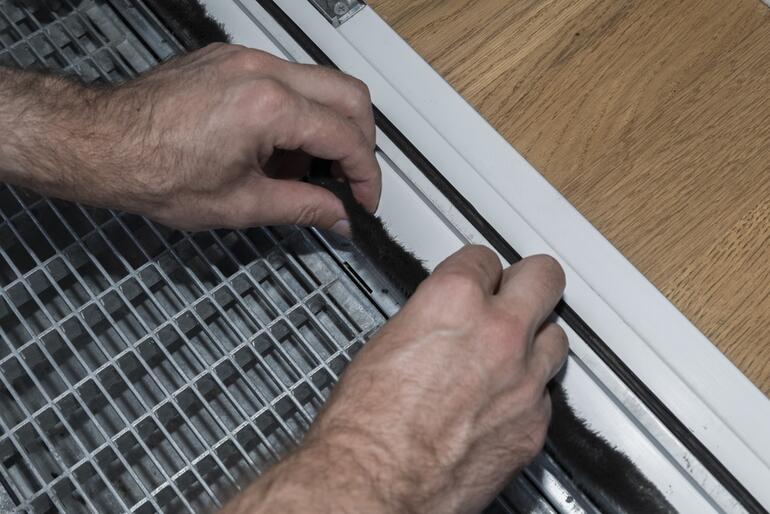
- Door-bottom seals: These are usually rubber and perform a similar job to brush strips.
- Threshold seals: These – typically made of rubber, TPE (thermoplastic elastomer) or aluminum – help create a tighter seal between the bottom of the door and the threshold, minimising the air that can pass through.
- Draught excluders: A traditional draught excluder, made from fabric, can be a good, movable option for your home. Particularly for doors that aren’t in a high footfall area.
Doordeals top tip: be sure to measure the gap before buying your draught excluding option. The perfect seal will reduce the airflow but won’t catch on flooring or make the door tricky to close.
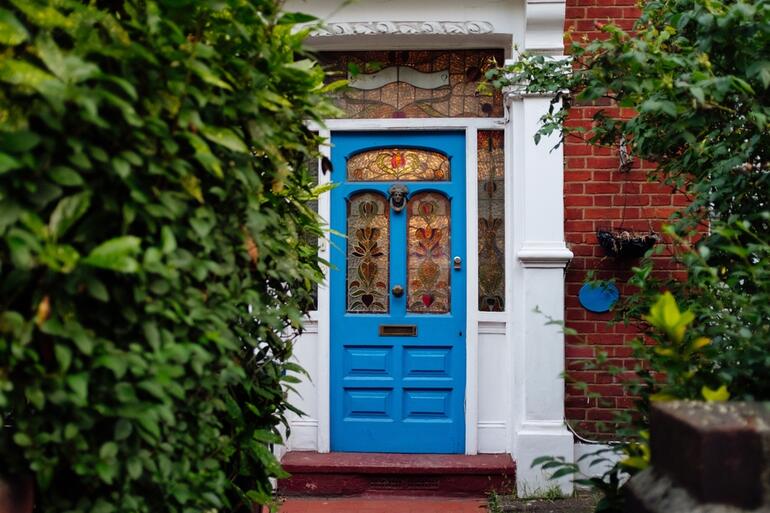
5. Improve the door's insulation if needed
If you find that your front door is still letting heat escape after you've addressed the draughts with some of the above options, it may be the door’s construction that’s the problem.
If you live in an older property which hasn’t had doors upgraded, this is a common issue. Many older doors have relatively little insulation within the door leaf itself and in these cases, sealing the edges will help with draughts but won't necessarily prevent heat from passing through the door – which can still lead to a chilly home in the autumn and winter months!
The right option depends on the material and design:
- Solid wooden doors: Check the condition of the timber and its protective finish, to see whether they could be the culprit. You can read more about finishing oak doors here.
- Hollow or lightweight doors: If your front door is wooden, it will typically not be hollow or lightweight, but if you do happen to have an external door like this, you’ll likely notice that it’s not great for insulation. We recommend considering replacing such doors.
- uPVC and composite doors: Common in most UK homes, especially new builds, uPVC and composite doors often have insulated cores or multi-chambered construction, to help them stay insulated. If you’re finding that yours is letting the cold in, and you’ve checked seals, opening points and any glazing, you should check alignment before considering replacement. You can read our guide here on restoring versus replacing a front door.
If you're considering a replacement which is still in-keeping with a period property, you could consider a Victorian front door, an Edwardian front door or even a 1930s front door.
You can read all about the things to consider when replacing a front door here.
It is important to remember that external fire doors are a different case altogether. You must not attempt to modify a fire door or a door forming part of fire-resisting measures without appropriate professional advice. This includes drilling, cutting, adding unapproved materials or changing seals and hardware which may compromise its performance. It’s best to get your FD30 or FD60 fire doors looked at by professions, to ensure they can do their job and keep you safe for years to come.
Front door insulation maintenance
Making sure your front door is prepped and ready to keep you cosy and warm all winter shouldn’t be a huge task for your to-do list every time the temperature drops. With a little regular maintenance, you can make sure that any improvements you’ve made will continue to keep your home insulated and draught-free. Consider the following small checks you can incorporate into your routine:
- Check the seals: Inspect any weatherstripping, letterbox covers and door-bottom seals you’ve installed for wear and tear or damage.
- Protect wooden doors: Check for tell-tale signs of weather damage like peeling paint and reapply a suitable protective coating when needed to prevent moisture damage and warping.
- Inspect hardware: Check hinges, handles and locks to ensure the door closes securely and fits the frame properly. A quick fix you could try is to lubricate moving parts as recommended by the manufacturer, to ensure stiffness is kept to a minimum.
- Keep the threshold clear: Remove any obvious dirt and debris that could affect the door's seal, remembering to keep drainage openings unobstructed.
- Regularly check for draughts: Inspect the frame, glazing and threshold before winter to spot any new gaps or worn seals.
If you have any questions about draught-exclusion, fitting, painting your front door, or simply need advice on what option would work best for your home, don’t hesitate to get in touch with the friendly team of experts here at Doordeals.